

When most people hear the phrase NASA asteroid, they imagine a giant rock hurtling through space toward Earth. Hollywood has certainly fueled that image. But in reality, the story is far more fascinating—and far more hopeful. Behind the scenes, scientists are constantly tracking, studying, and even testing ways to redirect asteroids to protect our planet.
Understanding what a NASA asteroid mission truly involves reveals a story of innovation, global cooperation, and cutting-edge science.
What Is a NASA Asteroid Mission?
A NASA asteroid mission refers to any project led by the National Aeronautics and Space Administration focused on detecting, tracking, studying, or deflecting asteroids. These missions aim to better understand near-Earth objects (NEOs) and ensure that potentially hazardous asteroids pose no serious threat.
Asteroids are rocky remnants left over from the early formation of the solar system around 4.6 billion years ago. While most remain in the asteroid belt between Mars and Jupiter, some drift into orbits that bring them closer to Earth. These are called Near-Earth Asteroids (NEAs).
NASA continuously monitors these objects using advanced telescopes and spacecraft to calculate their paths and assess any potential risk.
The Science Behind Tracking Asteroids

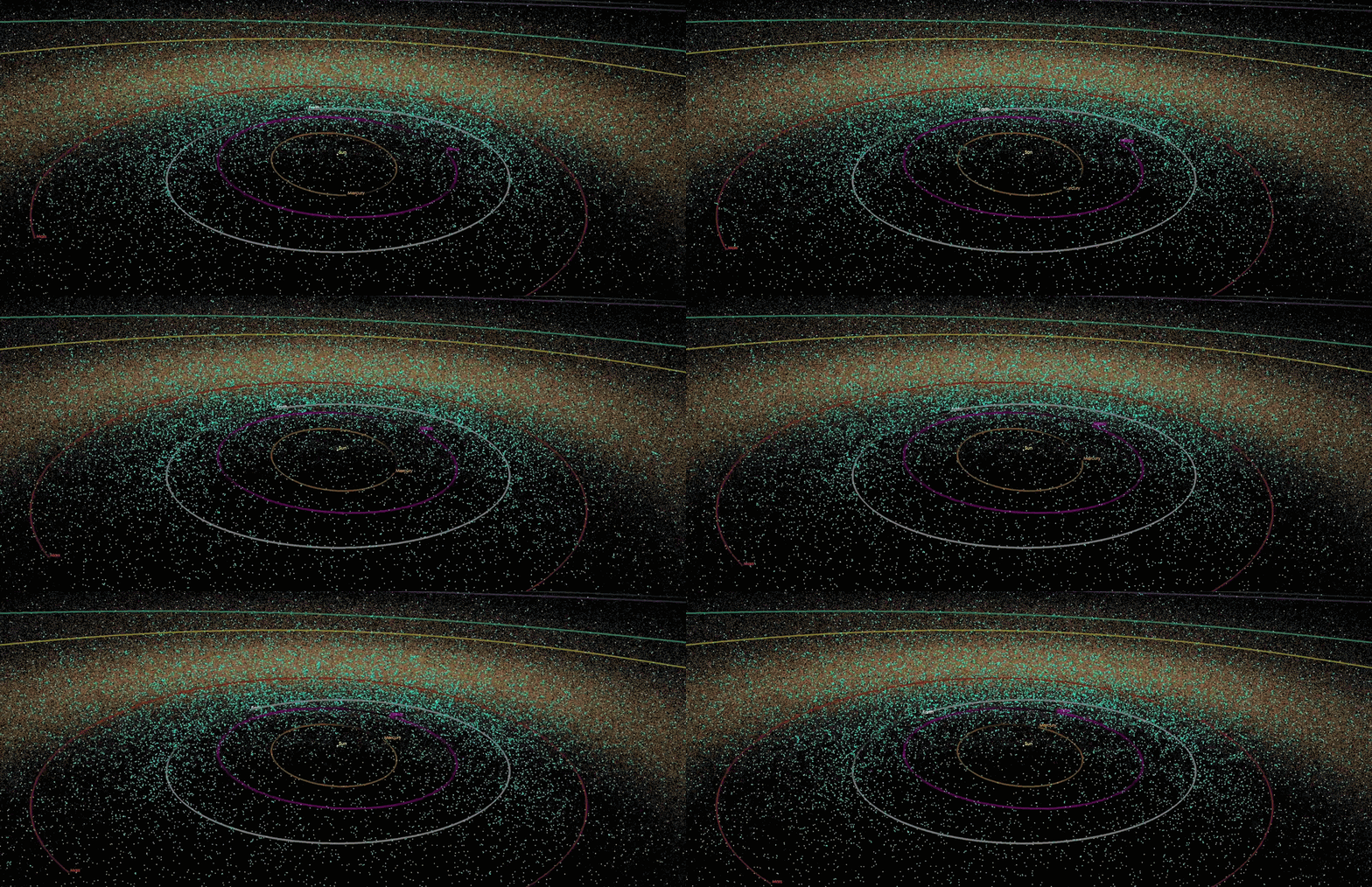

Tracking a NASA asteroid involves powerful ground-based telescopes, space-based observatories, and advanced computational modeling. NASA’s Planetary Defense Coordination Office (PDCO) leads efforts to identify and monitor potentially hazardous asteroids.
Scientists use mathematical models to predict asteroid trajectories decades—or even centuries—into the future. If an object shows even a slight chance of impacting Earth, it is closely observed and recalculated regularly.
One important factor is size. Smaller asteroids often burn up in Earth’s atmosphere. Larger ones, however, could cause regional or even global damage. That’s why early detection is crucial.
The DART Mission: A Historic Breakthrough


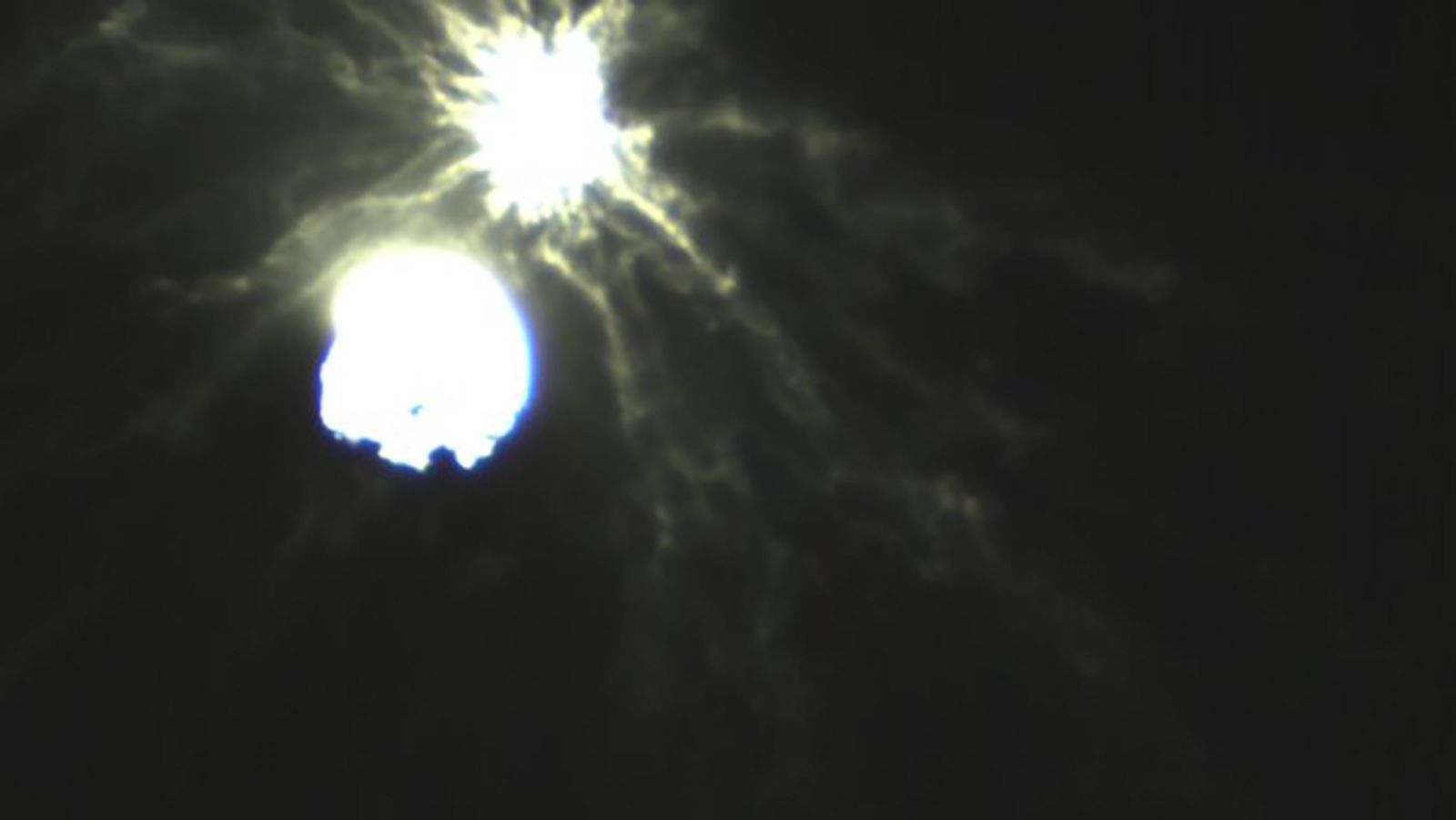
A defining moment in NASA asteroid history came with the launch of the Double Asteroid Redirection Test (DART) mission in 2021. Its goal was simple but revolutionary: intentionally crash a spacecraft into an asteroid to test whether its orbit could be changed.
DART targeted a small asteroid moonlet named Dimorphos, which orbits a larger asteroid called Didymos. In September 2022, the spacecraft successfully collided with Dimorphos, slightly altering its orbit.
The result? Humanity proved, for the first time, that it could intentionally deflect an asteroid. This was not science fiction—it was a scientific milestone that reshaped planetary defense strategies worldwide.
The success of DART demonstrated that a NASA asteroid mission can actively change the course of space objects, reducing future risks.
Why Asteroid Research Matters
Asteroids are not just potential threats—they are also time capsules. Studying them helps scientists understand the early solar system and the building blocks of planets.
Some NASA asteroid missions focus on collecting samples. These missions analyze the chemical composition of asteroids, searching for clues about water, organic molecules, and even the origins of life on Earth.
Additionally, asteroids may contain valuable resources such as metals and rare minerals. While asteroid mining is still in its early conceptual stages, understanding asteroid composition could shape future space exploration and economic possibilities.
How NASA Identifies Potential Threats
NASA categorizes asteroids based on their size, speed, and proximity to Earth. A “Potentially Hazardous Asteroid” (PHA) typically measures over 140 meters in diameter and passes within 7.5 million kilometers of Earth’s orbit.
However, “potentially hazardous” does not mean “imminent danger.” It simply means the object deserves careful monitoring.
When a new NASA asteroid discovery is made, astronomers calculate its orbit repeatedly. Over time, as more data is gathered, predictions become more precise. In most cases, early fears are ruled out after further analysis.
Technology Driving Planetary Defense

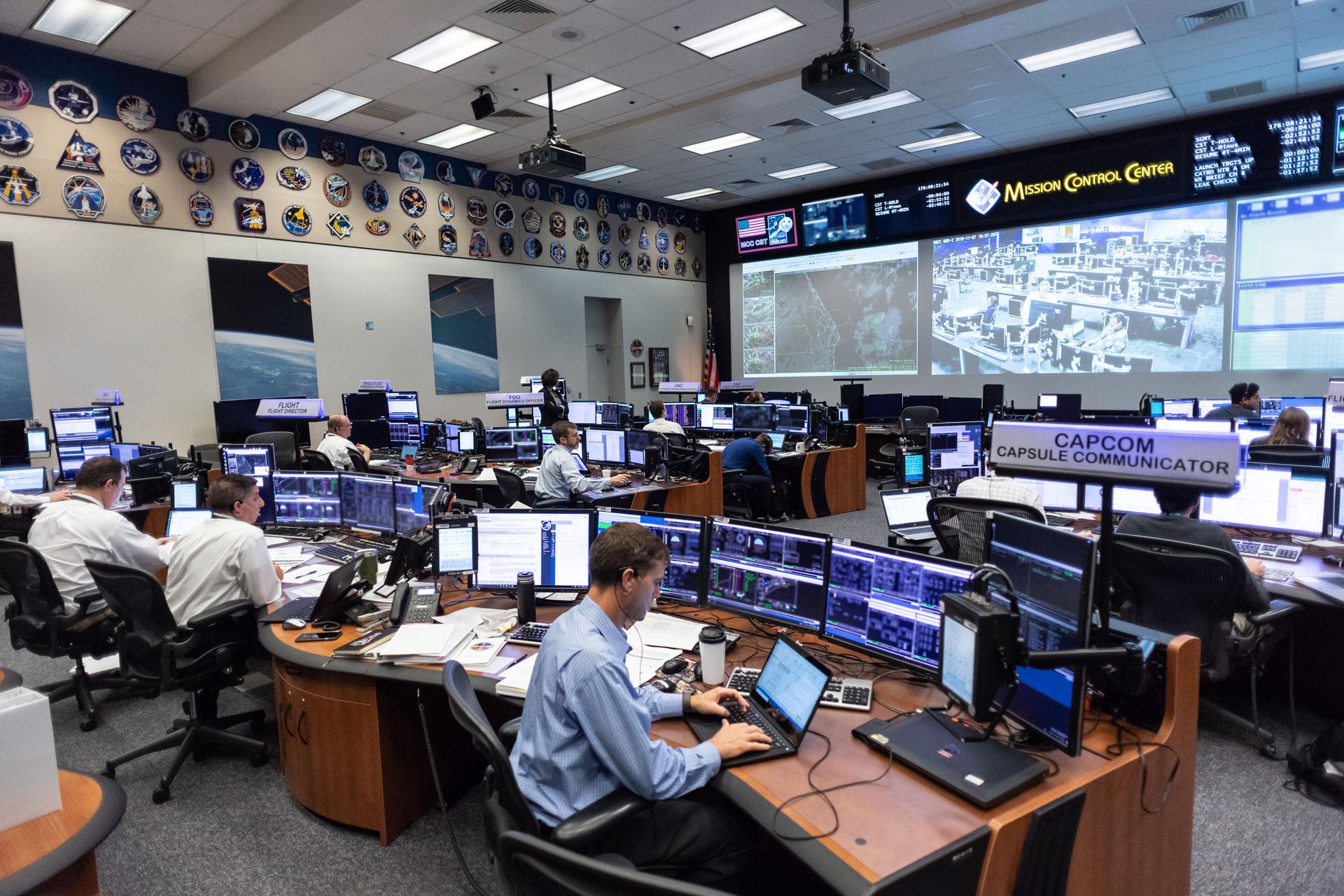
Modern NASA asteroid detection relies on infrared telescopes and automated sky surveys. Infrared technology is particularly useful because asteroids absorb sunlight and re-emit it as heat, making them easier to detect against the darkness of space.
NASA is also developing next-generation space telescopes specifically designed to identify hidden or dark asteroids that might be difficult to spot with traditional optical methods.
In addition to deflection missions like DART, researchers are exploring other strategies, such as gravitational tug methods—where a spacecraft hovers near an asteroid and slowly alters its path using gravity over time.
Public Perception vs. Reality
Movies often depict dramatic last-minute asteroid deflection attempts. In reality, a NASA asteroid mission focuses on long-term planning and early detection.
The key to planetary defense is time. If an asteroid is discovered decades before a potential impact, even a small nudge could be enough to prevent disaster. That’s why NASA prioritizes finding objects early rather than reacting at the last moment.
Thanks to modern monitoring systems, scientists are confident that no known large asteroid poses a threat to Earth in the foreseeable future.
International Collaboration
Planetary defense is not a single-country responsibility. NASA works closely with international space agencies and research institutions to share data and coordinate strategies.
Asteroid threats would affect the entire planet, so global cooperation ensures faster responses and shared technological advancements. The NASA asteroid initiative has strengthened international scientific partnerships and improved communication between space agencies worldwide.
The Future of NASA Asteroid Missions
Looking ahead, NASA asteroid research will continue to expand. Upcoming missions will focus on mapping, sampling, and characterizing more near-Earth objects. Improved detection systems aim to discover up to 90% of large potentially hazardous asteroids within the next decade.
Scientists also plan to refine deflection technologies and test additional methods to guarantee Earth’s safety.
What once seemed like science fiction is now an essential part of planetary protection strategy.
Final Thoughts
The term NASA asteroid represents far more than a looming space threat. It symbolizes humanity’s growing ability to understand, monitor, and even influence the cosmos.
From tracking near-Earth objects to successfully altering an asteroid’s orbit, NASA has shown that planetary defense is not just possible—it is already in progress.
As technology advances and global cooperation strengthens, Earth is better protected than ever before. Instead of fearing the skies, we can look up knowing that science, innovation, and preparation are quietly safeguarding our future.

